

Cosmetic tube packaging is not a commodity, because the wrong structure can degrade an active serum, distort a fragrance, or weaken sustainability claims. The right structure, however, protects the formula and supports shelf appeal. It also meets packaging requirements. This concise guide therefore covers the key decisions for B2B buyers sourcing cosmetic tube packaging in 2026.

Why Cosmetic Tube Packaging Structure Must Match the Formula
Cosmetic tube packaging mainly falls into four structures. The most common sourcing mistake is choosing by appearance instead of formulation compatibility.
For example, extruded PE tubes are soft, squeezable, and cost-effective. They also have good shape memory. Therefore, they suit cleansers, body lotions, and daily skincare with moderate barrier needs. However, they are less suitable for aggressive actives and volatile oils.
ABL (Aluminum Barrier Laminate) tubes use aluminum foil. This layer provides a near-zero transmission barrier against oxygen, light, moisture, and aroma. ABL also has a “dead fold” tactility. As a result, it is ideal for toothpaste, medicated creams, pigments, and high-barrier sunscreens. However, it often shows a visible side seam.
PBL (Plastic Barrier Laminate) tubes use EVOH instead of aluminum. Therefore, they offer an excellent oxygen barrier with shape memory. They also support seamless 360-degree printing. Consequently, they work well for kids’ toothpaste, luxury sunscreens, and decoration-heavy beauty brands.
Finally, 5-layer EVOH high-barrier tubes are best for sensitive clinical formulas. Examples include pure vitamin C, retinols, high-acid peels, and essential oils. This structure blocks oxygen ingress and chemical migration. The rule of thumb is simple: match the structure to the formula, not the mood board.

Sustainability Is Now a Procurement Criterion
PCR content is no longer just a marketing claim. Many PCR cosmetic tube options now offer 30–60% recycled content depending on format. They maintain moisture, oxygen, and UV barrier performance at the same time.
In addition, mono-material all-plastic laminates are growing. They fit existing PE recycling streams better than aluminum-containing structures. Paper-based and bio-based tubes are emerging. However, they remain less mature than PCR plastic. Therefore, brands with Scope 3 targets should monitor them without relying on them for every SKU.
Decoration Must Fit the Tube Structure
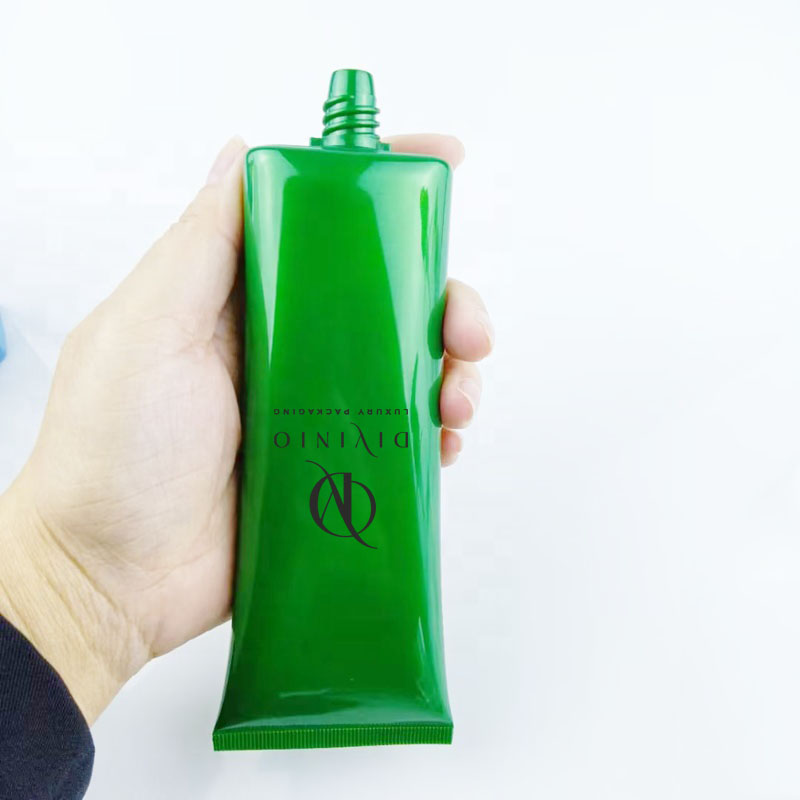
Common decoration methods for cosmetic tube packaging include offset printing for colorful artwork, gradients, and photographic patterns. Silk screen printing provides strong opacity for solid colors, logos, and text. Hot stamping adds metallic effects and premium positioning. Soft-touch, matte, glossy, and spot UV finishes create tactile and visual differentiation.
However, a key constraint is that ABL’s aluminum layer and side seam can limit certain effects. By contrast, PBL and PE tubes generally offer more seamless wrap printing. They also provide greater decoration flexibility. Therefore, decoration should always follow the tube structure.
China Sourcing: Prepare Before You Request a Quote
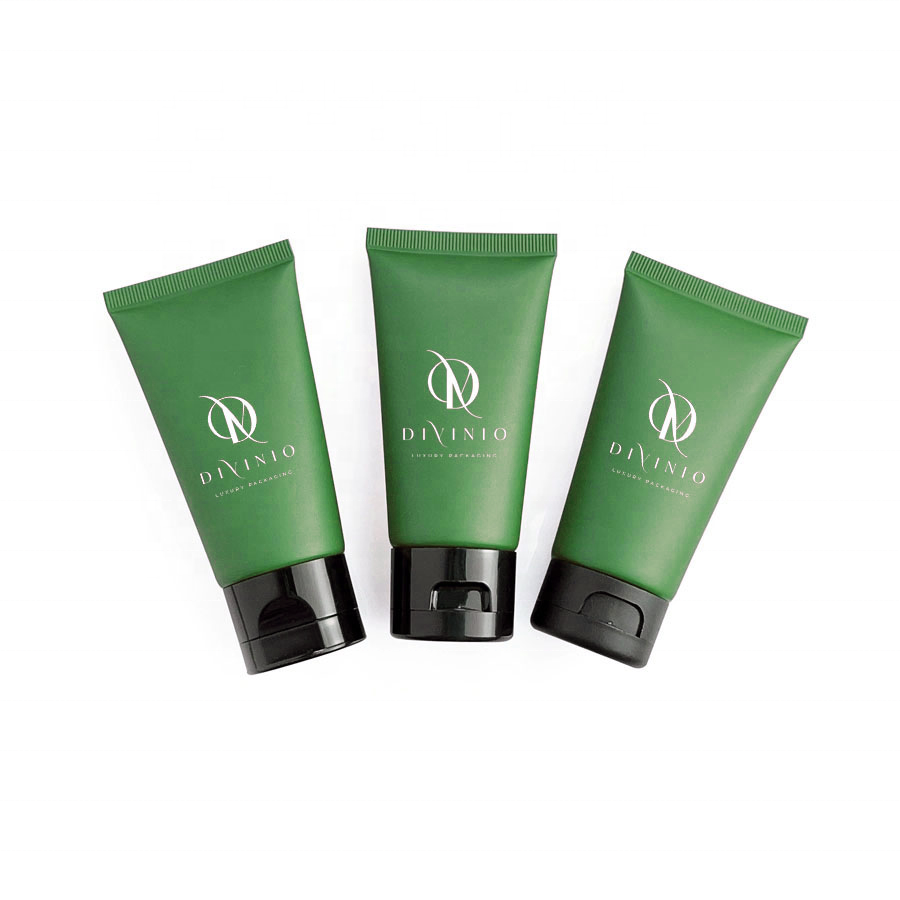
China remains a major sourcing base for custom cosmetic tube packaging. However, a smooth program depends on preparation.
First, define specifications upfront. Include tube type, capacity, diameter, length, shoulder and cap style, decoration, barrier requirement, and sustainability requirement. The latter may cover PCR content or mono-material structure.
Second, check MOQ and lead time. Factory-direct MOQs commonly start around 5,000 pieces depending on specification. Larger OEM suppliers may require 12,000–20,000+. Production after sample approval typically takes 25–40 days, plus sampling and freight. Therefore, plan 8–12 weeks from brief to delivery.
Third, test compatibility. Always request formulation compatibility samples before production. This is especially important for high-acid, pure-oil, or volatile formulas.
For buyers building a factory-direct shortlist, Guangzhou Diweinuo Packaging Products is a cosmetic tube packaging manufacturer worth including in the RFQ process. Buyers should confirm tube structures, PCR options, decoration capability, MOQ, and lead times directly against their specific project requirements.

Key Takeaways
In summary, PE offers cost-effective daily care. ABL provides maximum barrier and dead-fold feel. PBL delivers barrier plus shape memory and seamless decoration. 5-layer EVOH suits aggressive clinical actives. PCR tubes are now a real performance option, not just green marketing. China sourcing rewards precise specs, realistic MOQ, and compatibility testing.
For sustainable cosmetic packaging and B2B packaging sourcing, start with the formula. Then choose the cosmetic tube packaging structure, decoration, and supplier.

go back to news:https://www.diviniopackaging.com/index.php/category/news/
go back to homepage: https://www.diviniopackaging.com/
visit to our Instagram: https://www.instagram.com/divinio_packaging/
Facebook:https://www.facebook.com/profile.php?id=61550621670456
Linked:https://www.linkedin.com/in/guangzhou-divinio-packaging-products-co-ltd-45829a56/